Cavallucci di Siena B · Da inzuppo
Walnut, candied fruit, anise and spice — the osteria biscuit Sienese archives call berricuocoli. Hard when aged, softened the proper way: held under the vin santo until it gives. → Toscana, in the Atlas

Naples bakes three fixed biscuits in December, Abruzzo bakes a diamond, Trentino bakes in German. The season mapped to where each cookie belongs. This page maps the season the way the atlas maps the country: by where each cookie belongs.
The American “Italian Christmas cookie tray” is a real tradition — and a compression. What it compresses is a season that runs from the days of the dead in early November to Epiphany, with each stop on the calendar owning its own biscuit. The pages below give the season back its geography: every cookie links to its documented recipe, or to its plate in the Atlas, where its papers live. And the season’s true opening night is four weeks earlier — the biscuits of the dead.
Documented in baker’s percentages from Italian sources — and honest about not being baked here yet: the Tested 3× seal only ever arrives by oven.
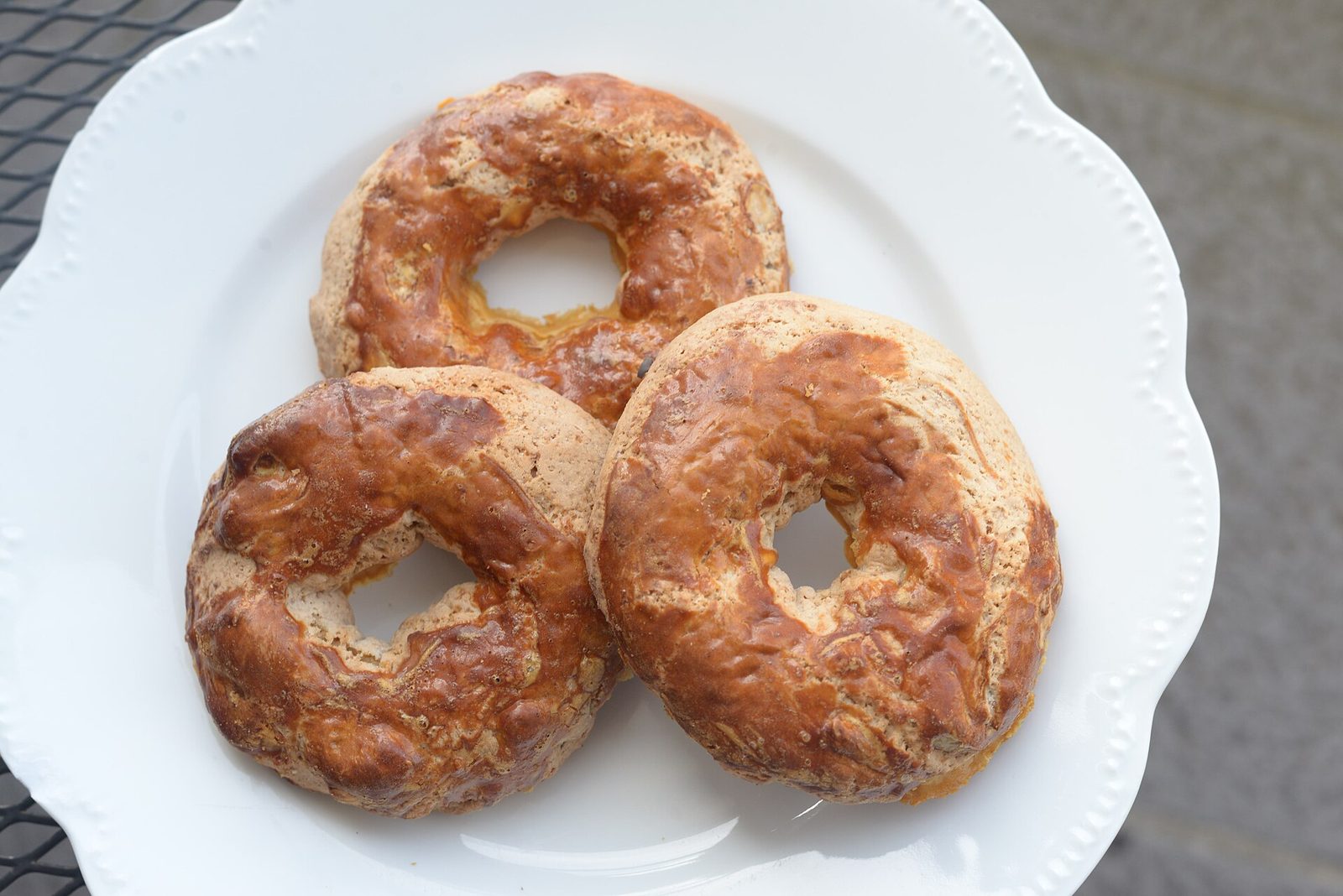
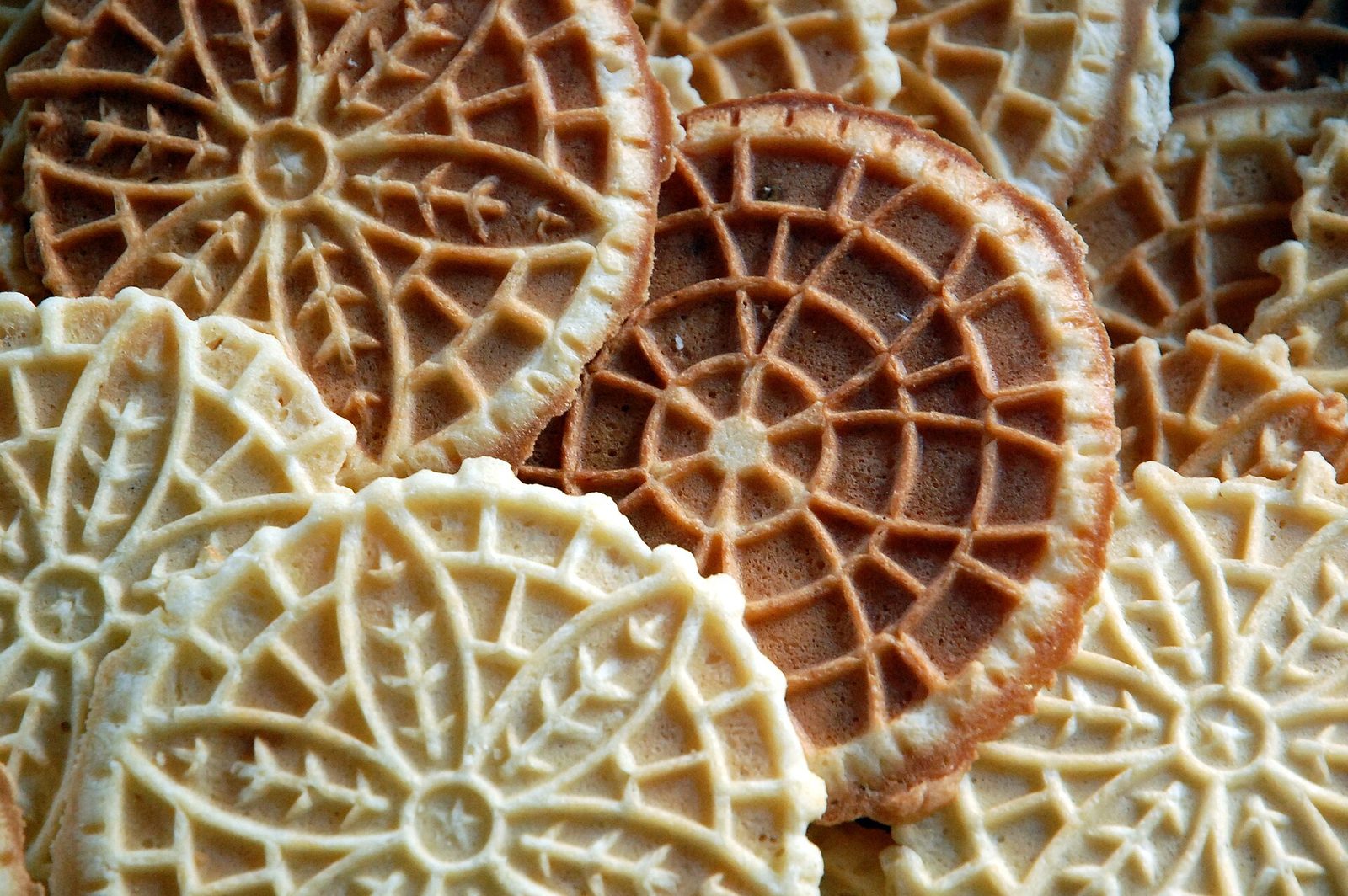
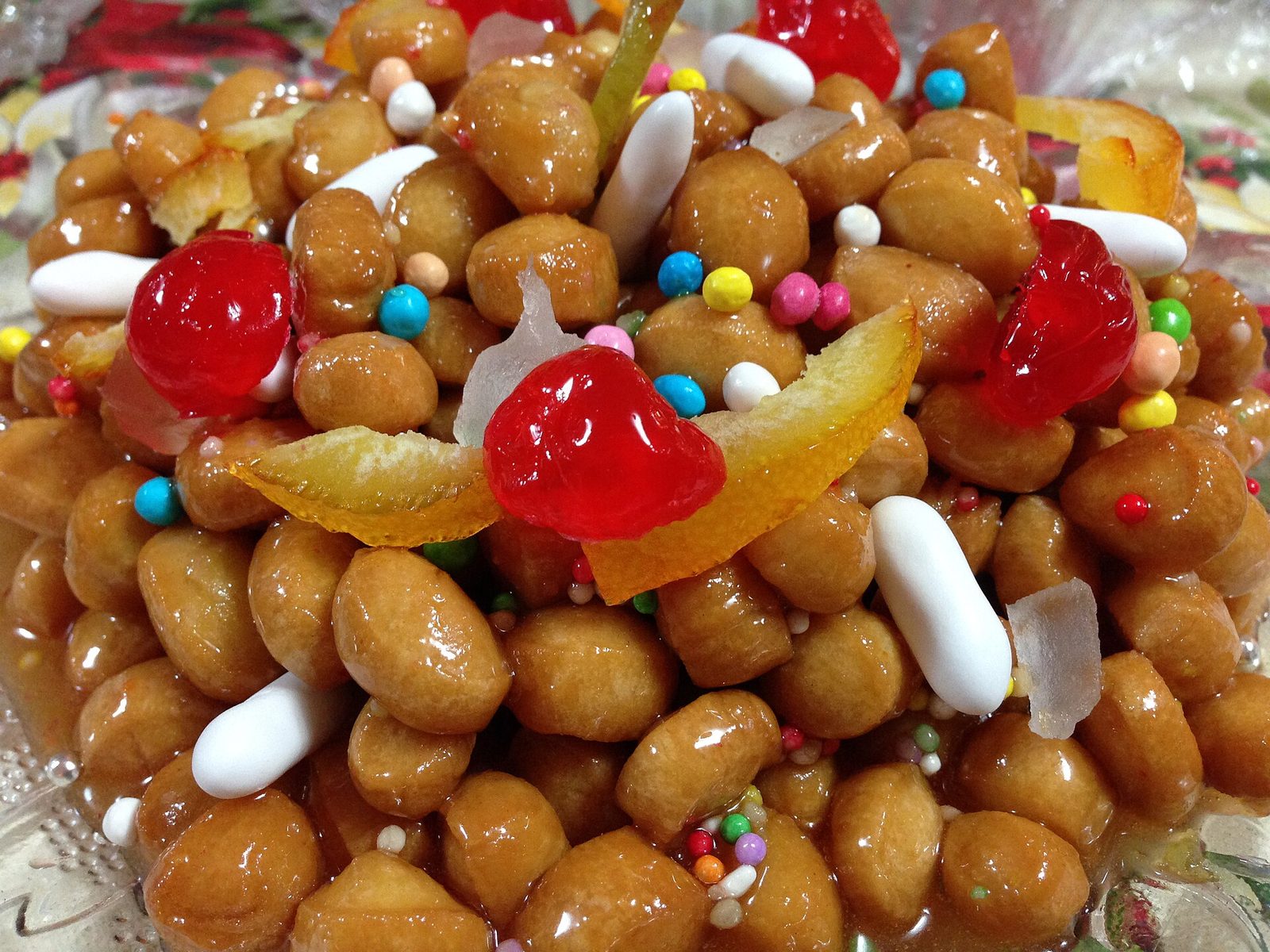
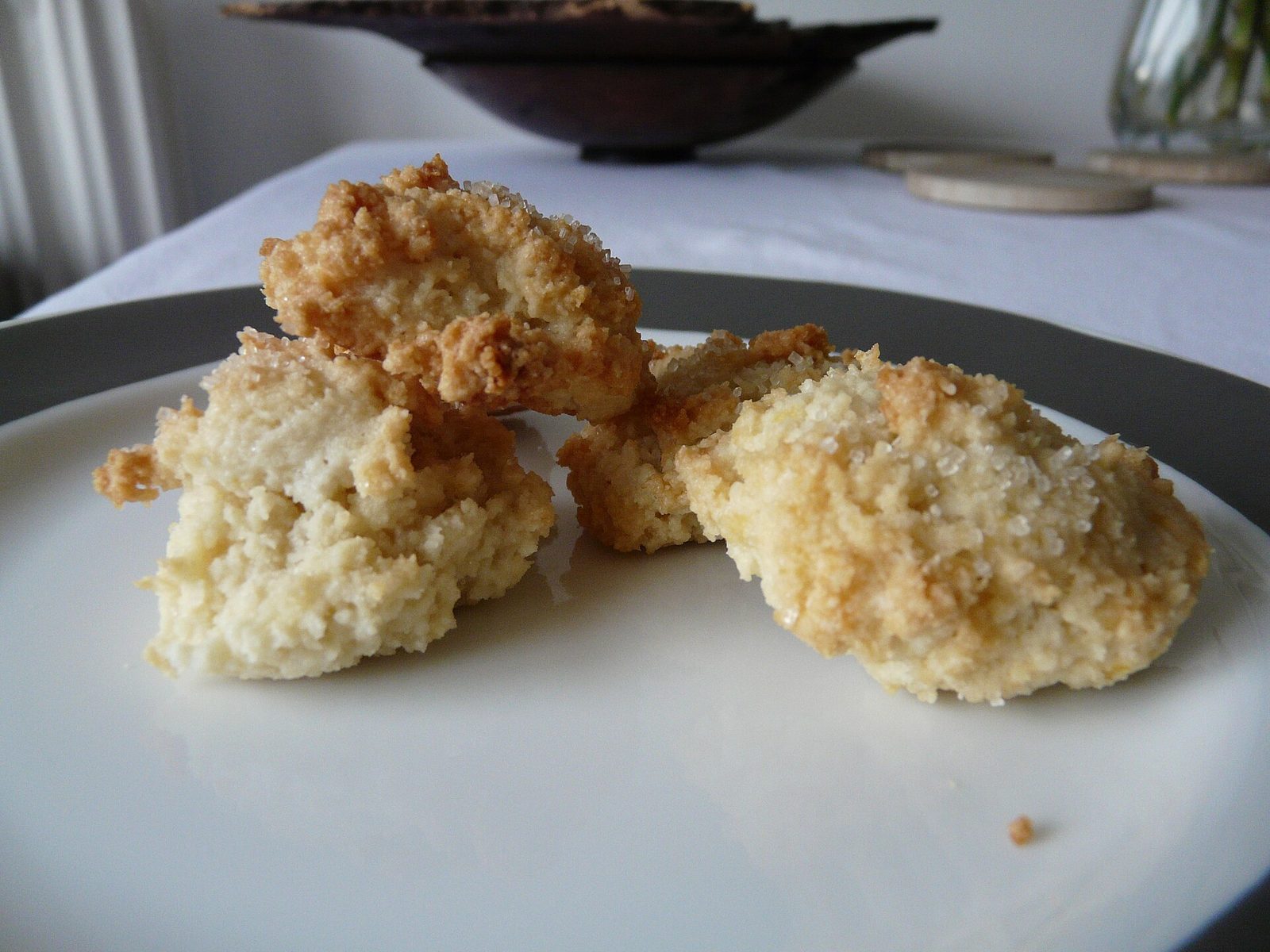
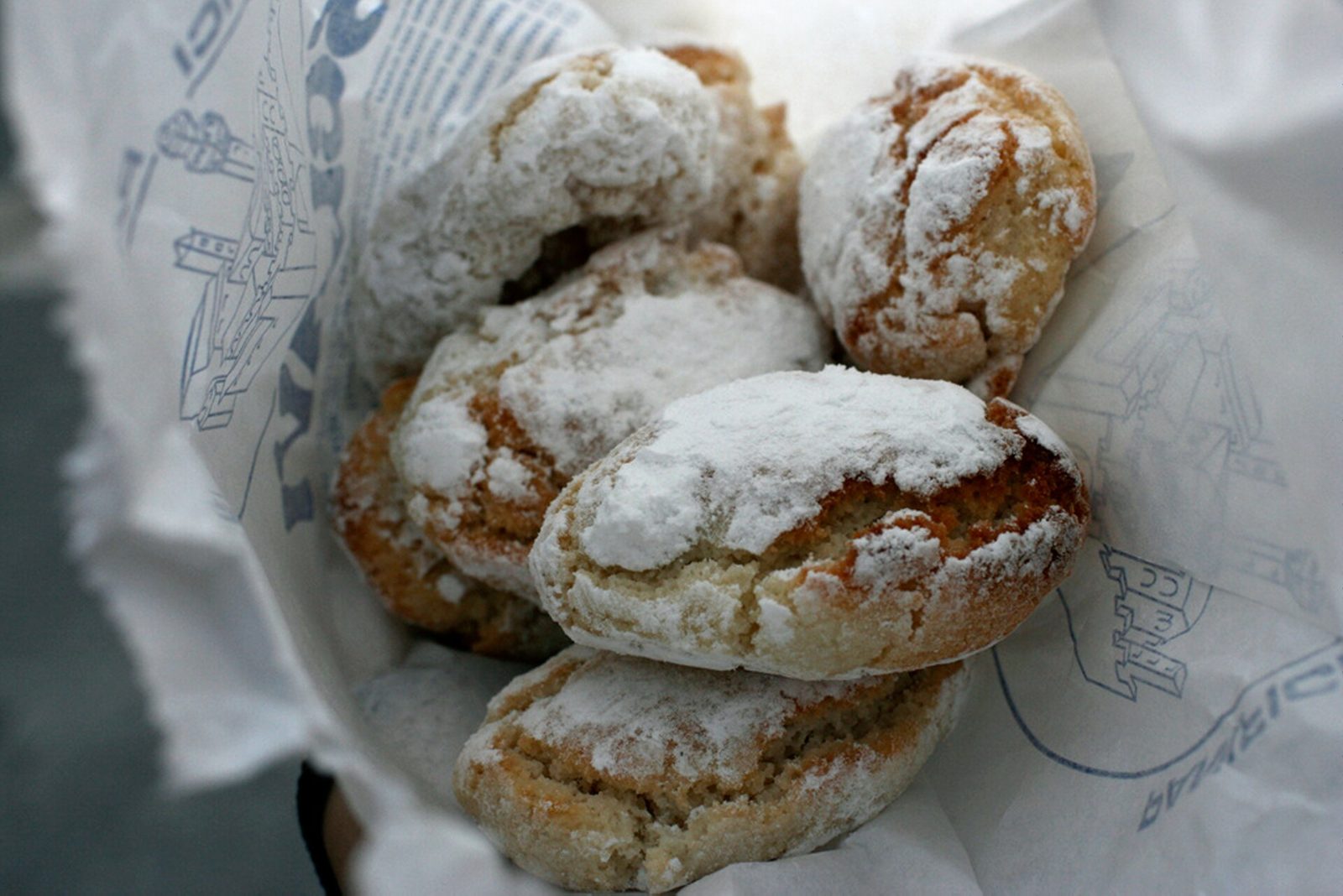
Naples fields a fixed December trio — the mustacciuoli, the roccocò, and the susamielli — with struffoli as the centrepiece none of them outranks. The whole lineage behind the diamond is traced in the Archive’s mostaccioli line.
Every feast-day biscuit the atlas documents, from the days of the dead through Christmas — each linked to its regional plate and sources.
Walnut, candied fruit, anise and spice — the osteria biscuit Sienese archives call berricuocoli. Hard when aged, softened the proper way: held under the vin santo until it gives. → Toscana, in the Atlas
Little almond "beans of the dead" for early November — baked once, one entry in Italy’s crowded November calendar of biscuits for the dead. → Umbria, in the Atlas
The dried-fruit Christmas loaf of both Trentino and Südtirol. Not a biscuit at all — but gravitationally central to the regional Christmas tray, and the boundary case that shows where the family ends. → Trentino-Alto Adige, in the Atlas
Tri-colored little "beans" for the days of the dead, a Habsburg-era Trieste tradition. Baked once, eaten by the handful. → Friuli-Venezia Giulia, in the Atlas
A filled biscuit of sapa (grape must syrup), walnuts and breadcrumbs from the Macerata hinterland — entirely distinct from Siena’s cavallucci despite the shared name. The atlas keeps a disambiguation page for exactly this trap. → Marche, in the Atlas
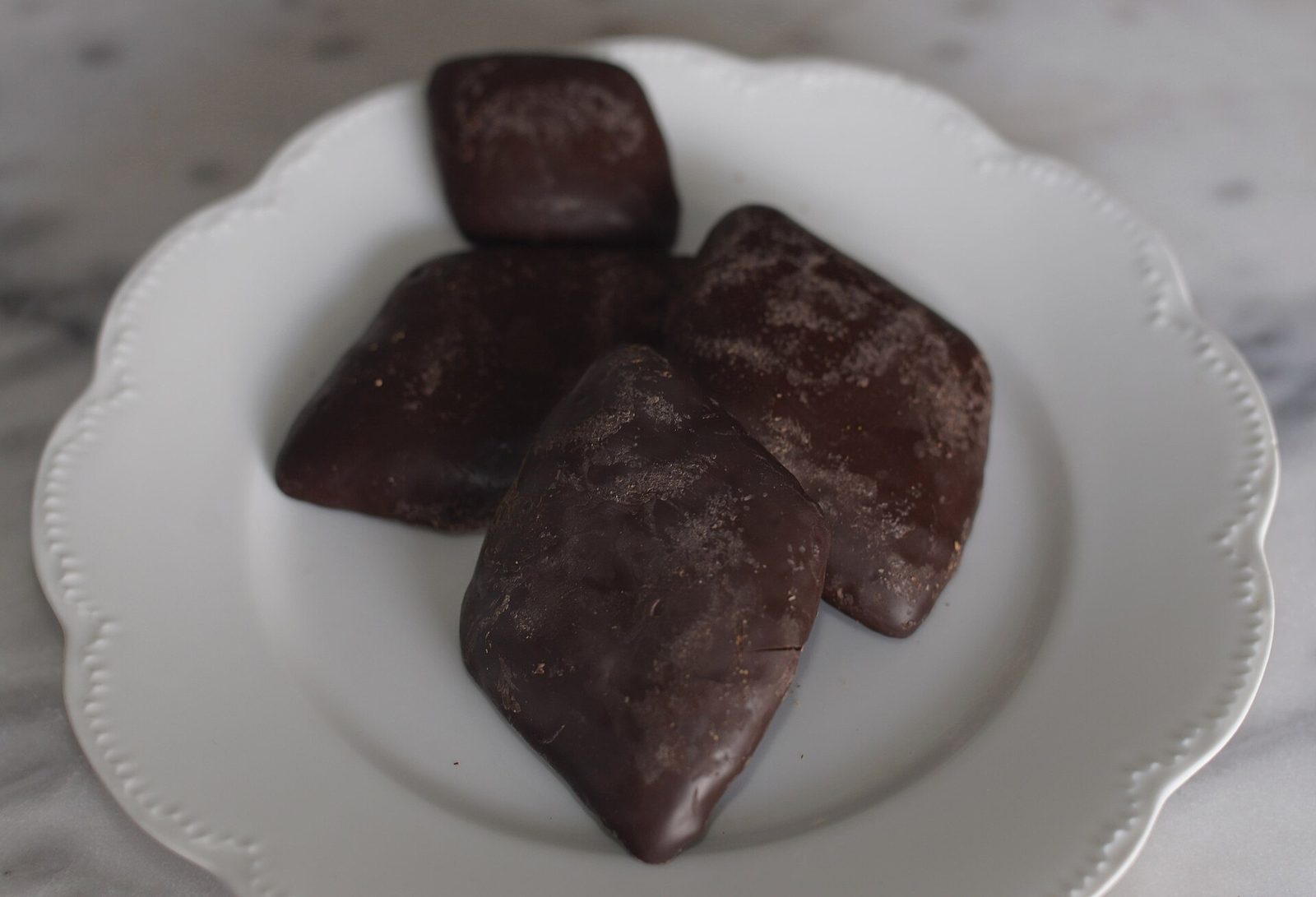
Must-and-honey spice diamonds, chocolate-glazed in many towns — Abruzzo’s cut of the mostacciolo lineage that runs from Cato’s must-cake through every medieval fair. → Abruzzo, in the Atlas
Honey, almonds, cocoa and black pepper baked as a loaf, then sliced and dried again in many houses — Molise’s flagship and a genuine twice-bake, shared (and disputed) with Teramo across the border. → Molise, in the Atlas
Molise’s mostacciolo: must, honey, spice, a hard bite that asks for wine. → Molise, in the Atlas
The chocolate-glazed spice diamond that completes the Neapolitan Christmas trio — Naples’ cut of the mostacciolo lineage that runs the length of the peninsula. The whole chain is traced in the Archive. → Campania, in the Atlas
Almond-cocoa "little chestnuts" of the Bari and Foggia Christmas, named for their shape, not their contents. → Puglia, in the Atlas
Fennel-spiced rounds for Saint Martin’s day, the hard version made expressly to drown in moscato di Pantelleria. → Sicilia, in the Atlas
The "bones of the dead": sugar-crusted, clove-scented, and nearly inedible dry. Correct after ten seconds in moscato. → Sicilia, in the Atlas
Sugar- and cocoa-glazed biscuits of the days of the dead, eaten by the mixed handful from every Palermo tray. → Sicilia, in the Atlas
Giving biscotti instead of baking them is a legitimate Italian instinct — the twice-baked was built to travel. The verified list of American bakeries that ship is the honest version of a gift guide: no affiliate links, no paid placements, and the blind mail-order test is underway. If the hard part is the card rather than the tin, twenty occasions, with the lines to write in it. And December is only one season of the Italian year: the whole field of Italian cookies, classed and sourced, is the reference this page is a chapter of.