Sorted the way Italy sorts them: Six families, twenty regions, 69 documented varieties, and the discipline of saying which is which.
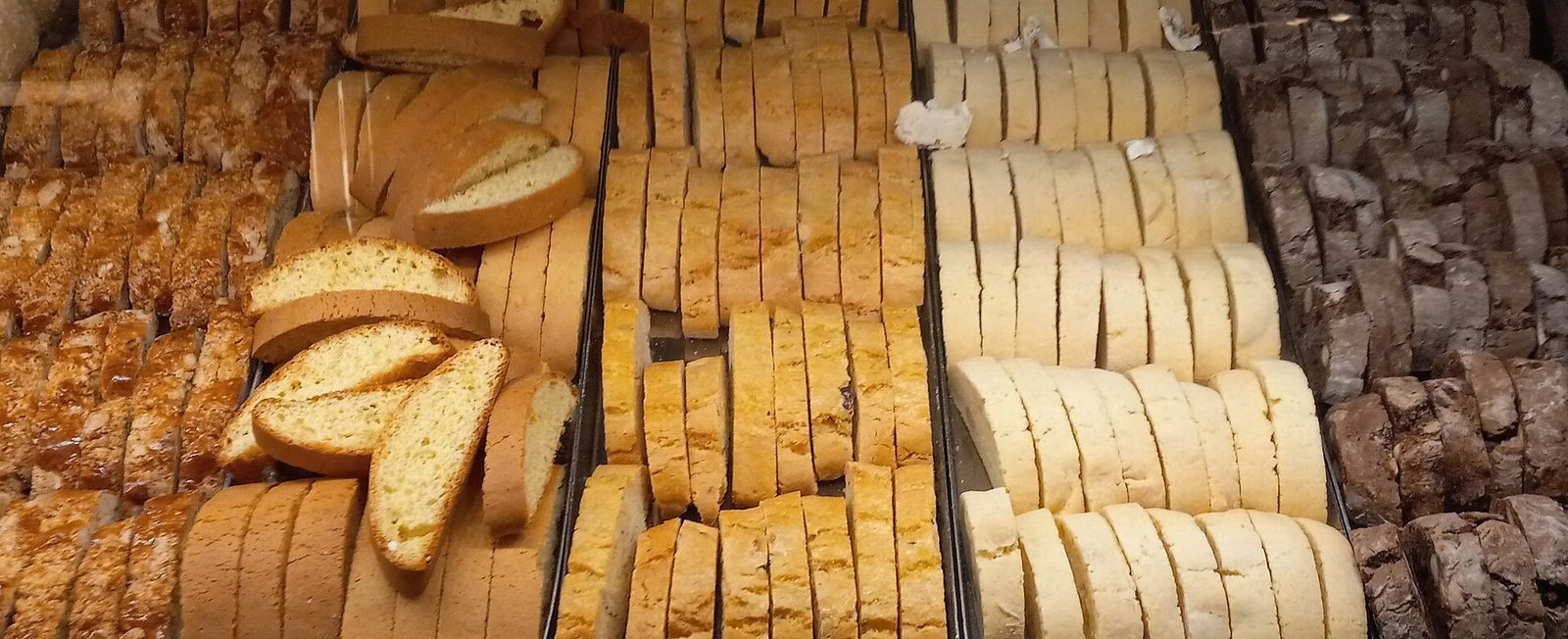
Five of the family in one row · Photo: Gobonobo, CC BY-SA 4.0, via Wikimedia CommonsSave · Pinterest
“Italian cookies” is an American phrase; Italy itself speaks of biscotti, dolcetti, paste — and sorts them by region, by feast day, and by method. This page keeps Italy’s own sorting. Each family below names its members, says what defines it, and points to where on this site the documents live: a recipe in baker’s percentages, or a plate of the Atlas with sources attached.
Le sei famiglie
The twice-baked — biscotti propercantucci, tozzetti, baicoli, biscotti del Lagaccio, quaresimali sicilianiThe literal bis-cotti: baked, sliced, and returned to the oven so time loses. The naval lineage that named the whole category — and a shorter list than the word suggests: only 10 lineages in the atlas earn Class A.The Atlas of twenty regions →
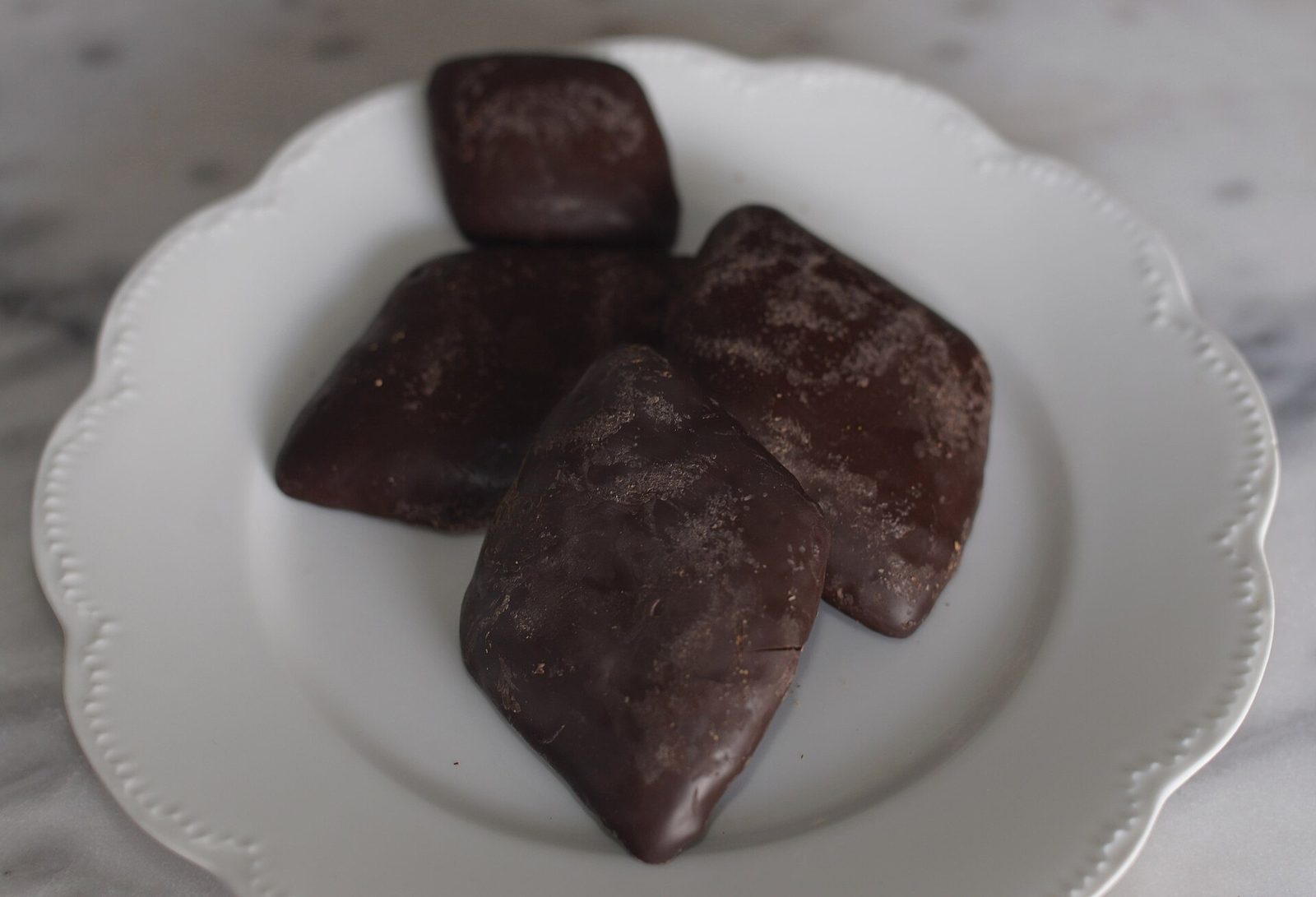
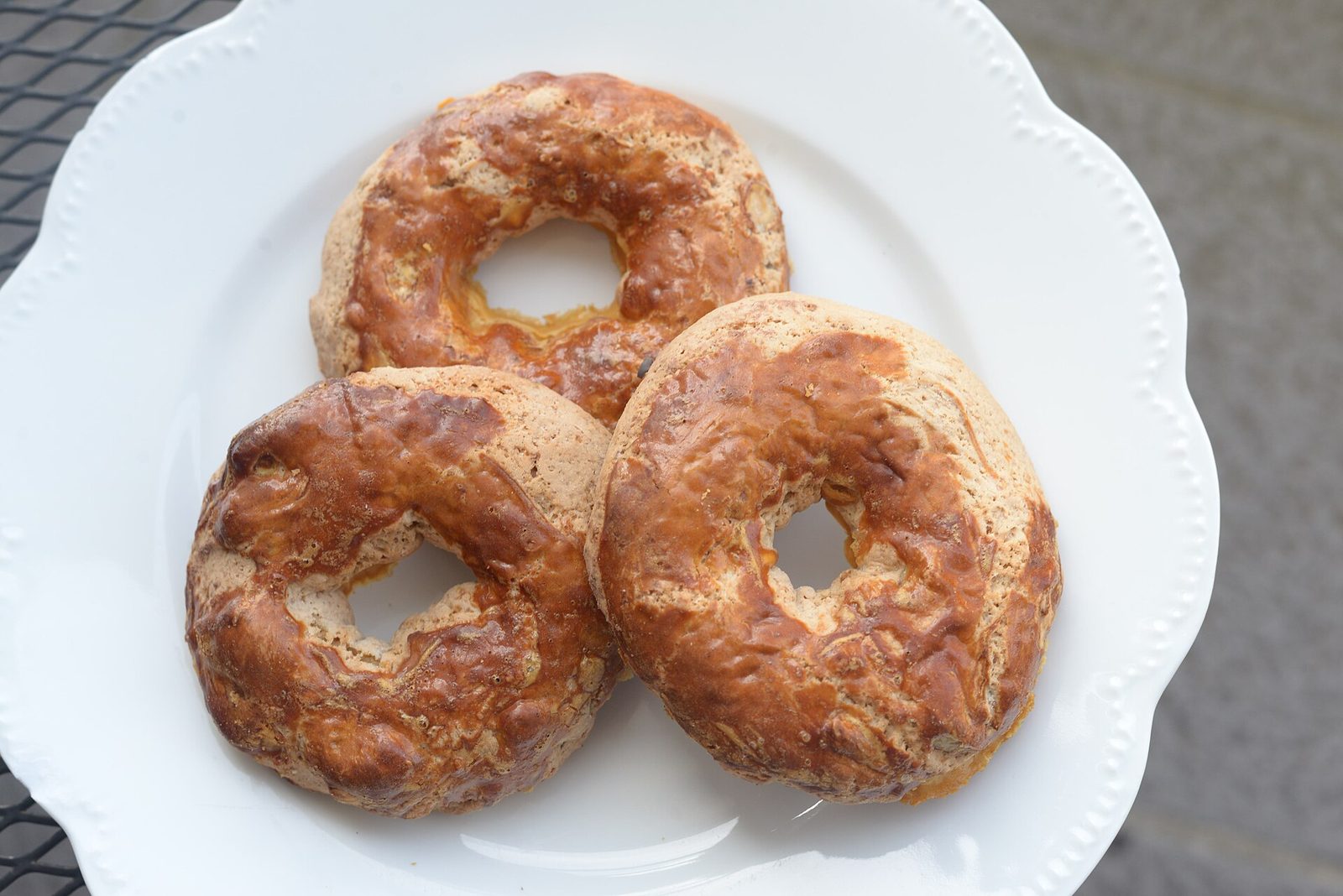
The dry dunkerskrumiri, paste di meliga, cavallucci, roccocò, mostaccioli, zaletiBaked once, built dense, finished in the glass — wine, zabaione, caffelatte, each region assigning its own liquid. The largest family in Italy, and the one American trays draw from most.Classed region by region →
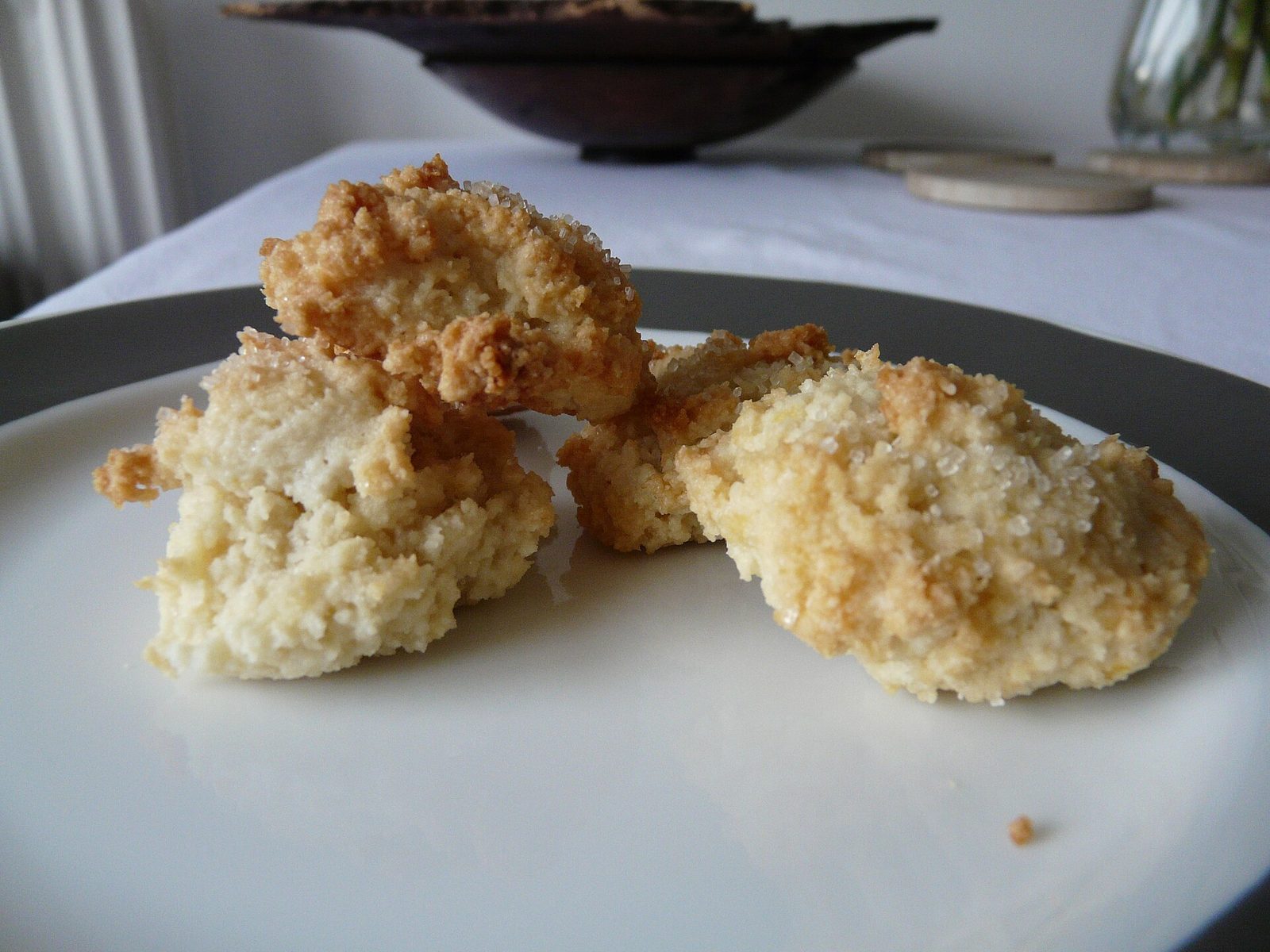
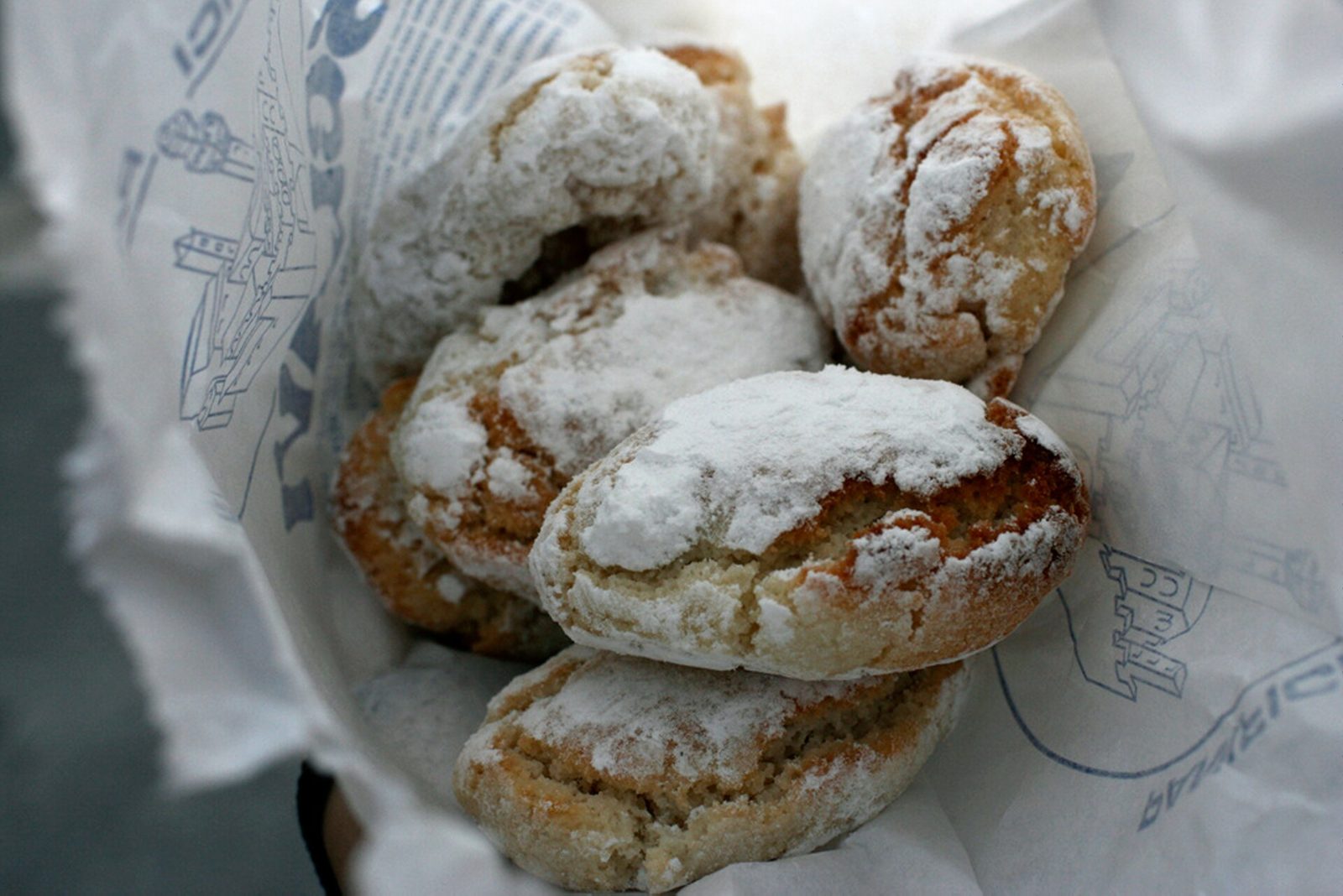
The almond-paste lineamaretti, ricciarelli, biscotto di Ceglie, pasticcini di mandorlaNo flour or nearly none: almond, sugar, and egg white in shifting ratios, from Saronno’s snap to Mombaruzzo’s soft heart to Siena’s IGP-protected lozenge.The ricciarelli, documented →
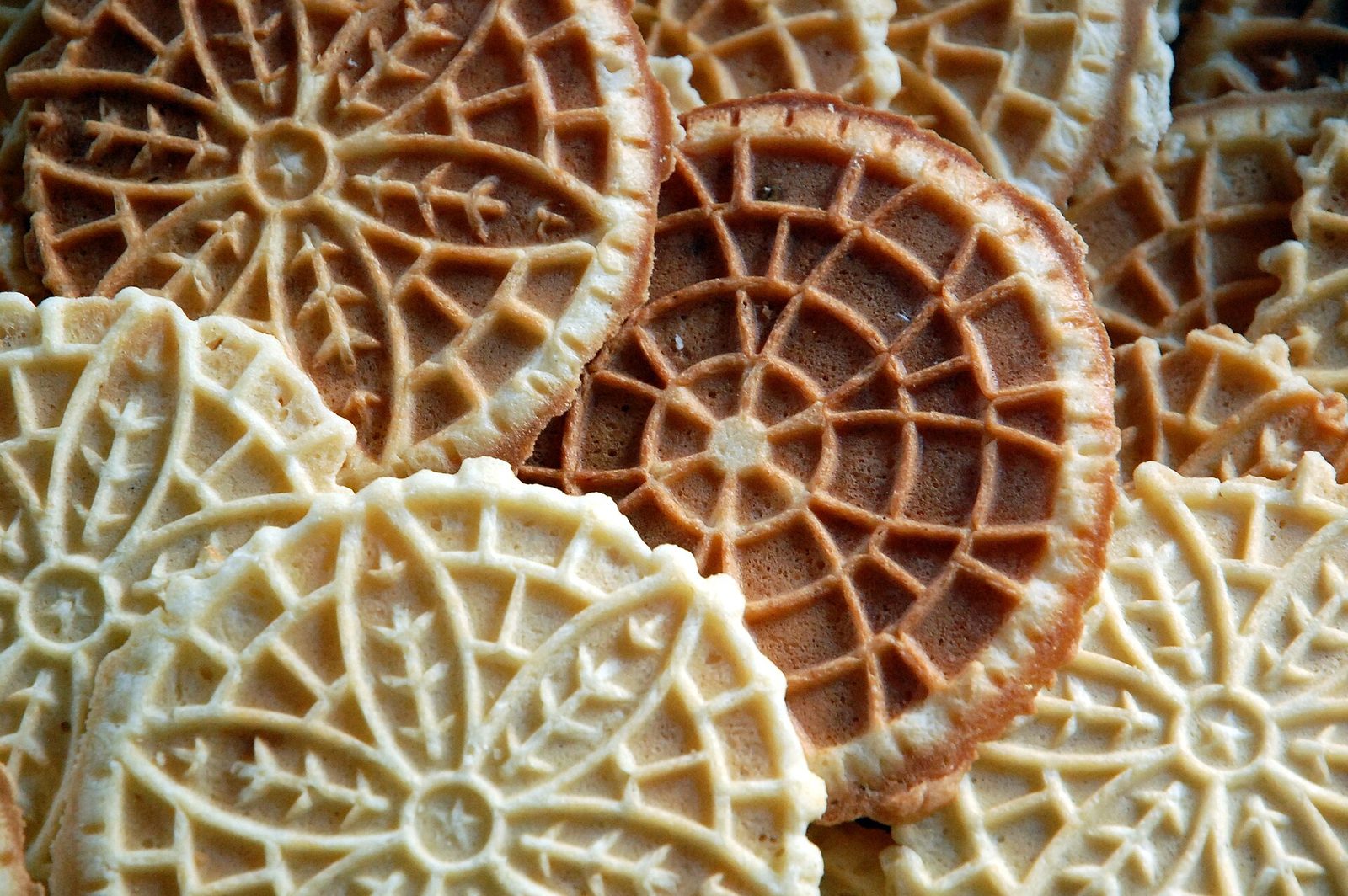
The iron cookiespizzelle, ferratelle, cialde, brigidiniPressed between patterned plates over heat, one wafer at a time. The family that emigrated best — the pizzelle iron is an heirloom on two continents.The ferratelle, documented →
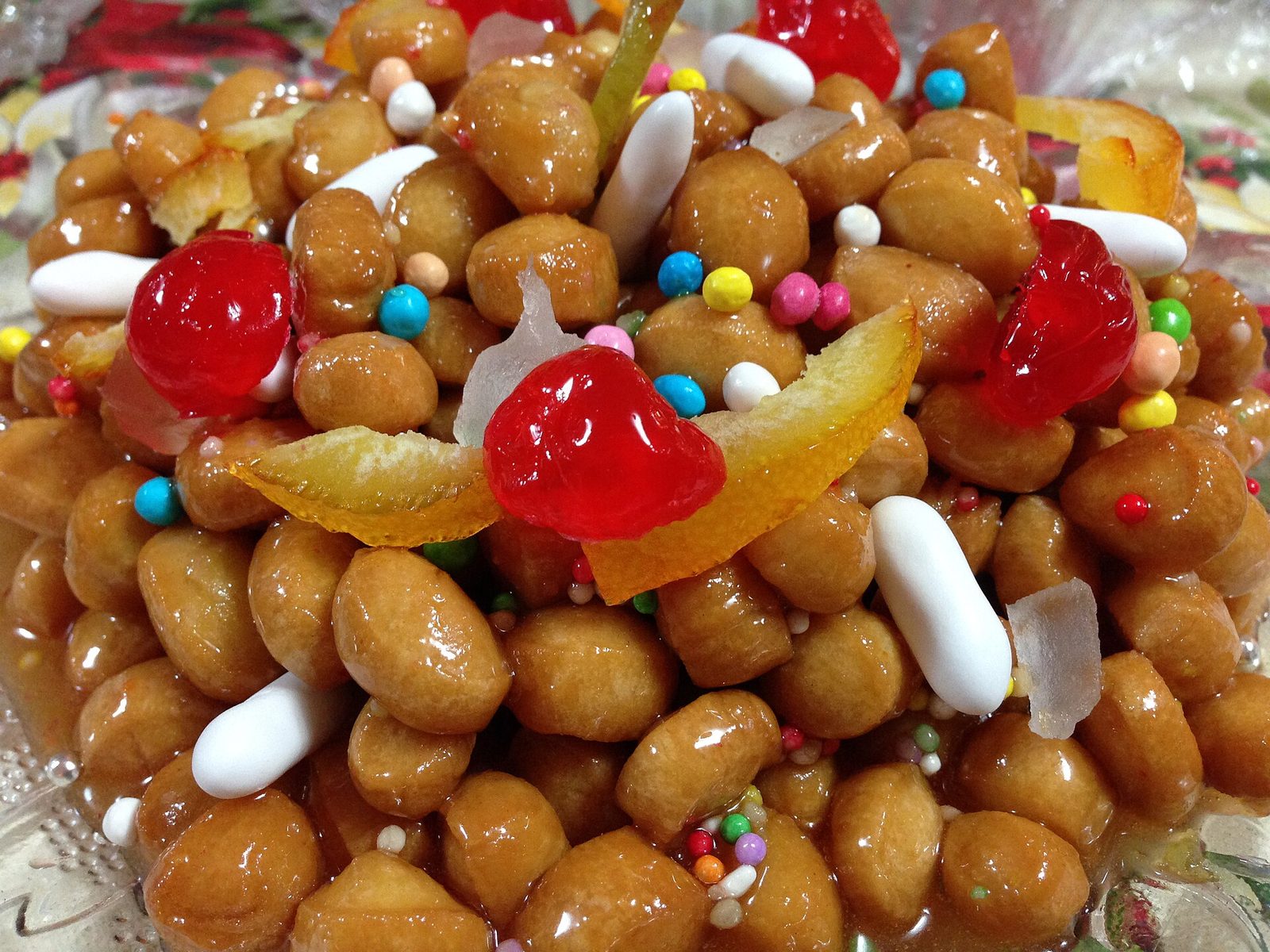
The honey-and-fry linestruffoli, cicerchiata, cartellate, purcedduzziOlder than the oven biscuit: fried dough sealed in honey, from Naples’ Christmas mountain to Puglia’s ribbons. Not cookies by strict accounting; invited to every tray anyway.The struffoli, documented →
The feast-day biscuitsossa di morto, papassini, mustacciuoli, susamielli, biscotti di San MartinoCookies with dates attached — the days of the dead, Saint Martin, the Christmas trio. Italy’s calendar, legible in a biscuit tin.The season, region by region →
La tassonomia
The atlas classes every variety three ways: A for the truly twice-baked, B for the dry dunkers baked once, C for the beloved cousins that are neither. Only 10 lineages in all of Italy earn Class A — knowing which is exactly the kind of thing a reference exists to say. The full taxonomy, with every plate’s sources.
The documented recipes
Every formula in baker’s percentages, grounded in Italian sources, and honest about its status: the Tested 3× seal arrives only by oven.
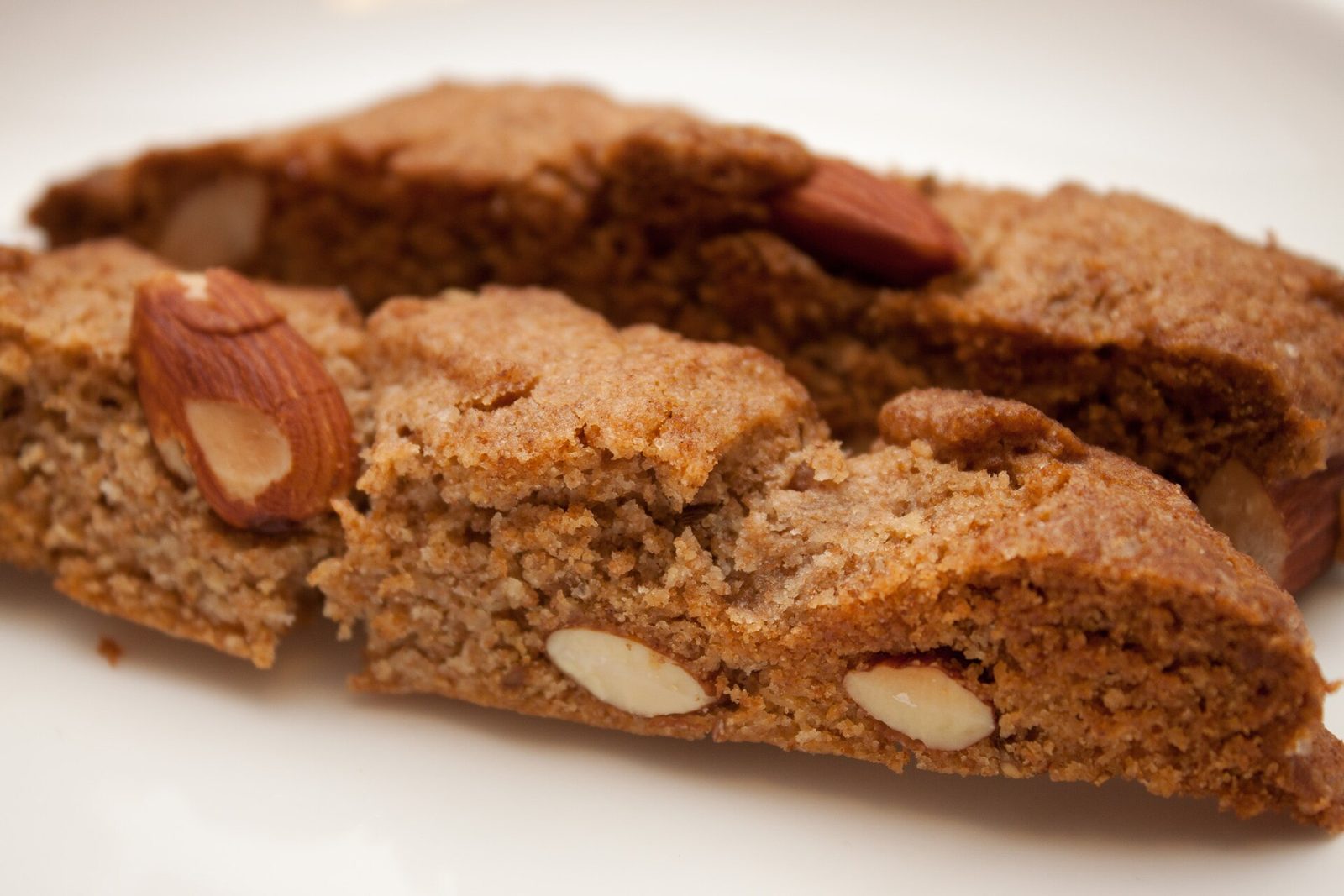
Nocciola e aniceTozzetti with HazelnutsFacile · Aleatico, vino rossoPhoto: Albarubescens, CC BY-SA 4.0, via Wikimedia Commons
AniceAnise BiscottiFacile · Caffè, anisettePhoto: J Doll, CC BY 3.0, via Wikimedia Commons
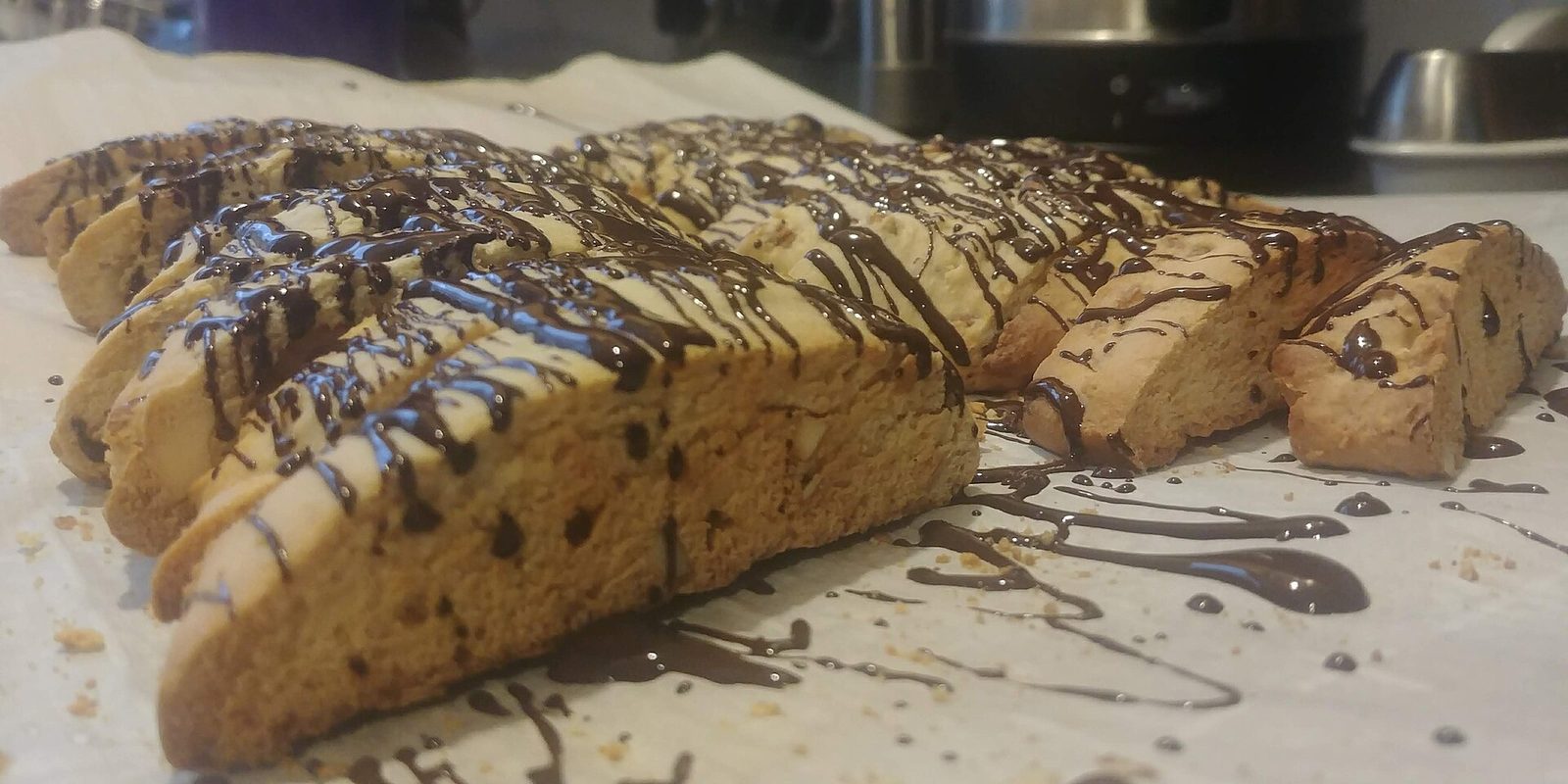
CioccolatoDouble Chocolate BiscottiMedio · Caffelatte, vin bruléPhoto: Nnikkhoui, CC BY-SA 4.0, via Wikimedia Commons
Vino · aniceCiambelline al VinoFacile · Vino rosso — lo stesso della ricetta
FinocchioBiscotti del LagaccioImpegnativo · Caffelatte, passitoPhoto: Andre86, public domain, via Wikimedia Commons
Dove comprare
Buying instead of baking is its own tradition. The Register lists 175 American bakeries verified to sell biscotti from their own websites, and the shipping list narrows it to the 60 that will mail a tin to your door — no affiliate links, no paid placements, blind taste test underway. For the named houses rather than the neighbourhood counters, the census grades nineteen American brands and eighteen Italian ones.