Every formula is stated in baker’s percentages and traced to its sources. The Italian styles come from their regions; the flavors come from what our Register shows America bakes.
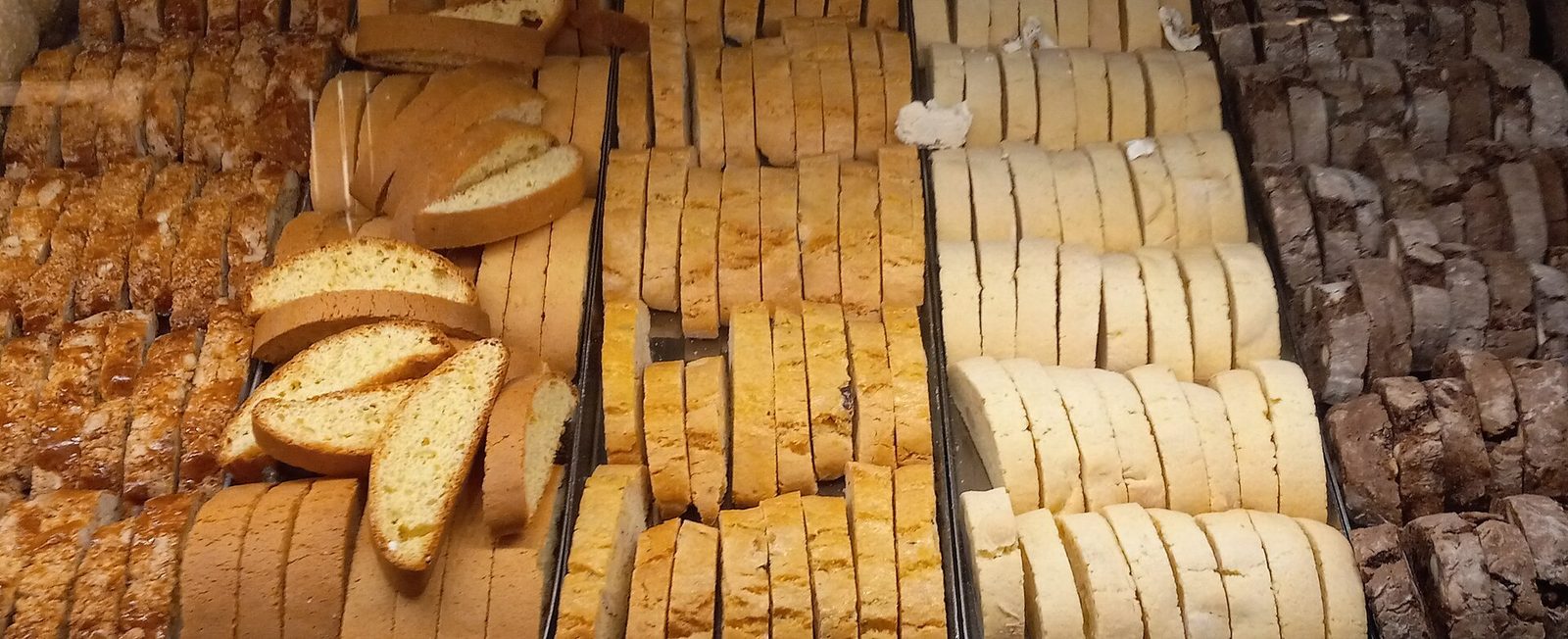
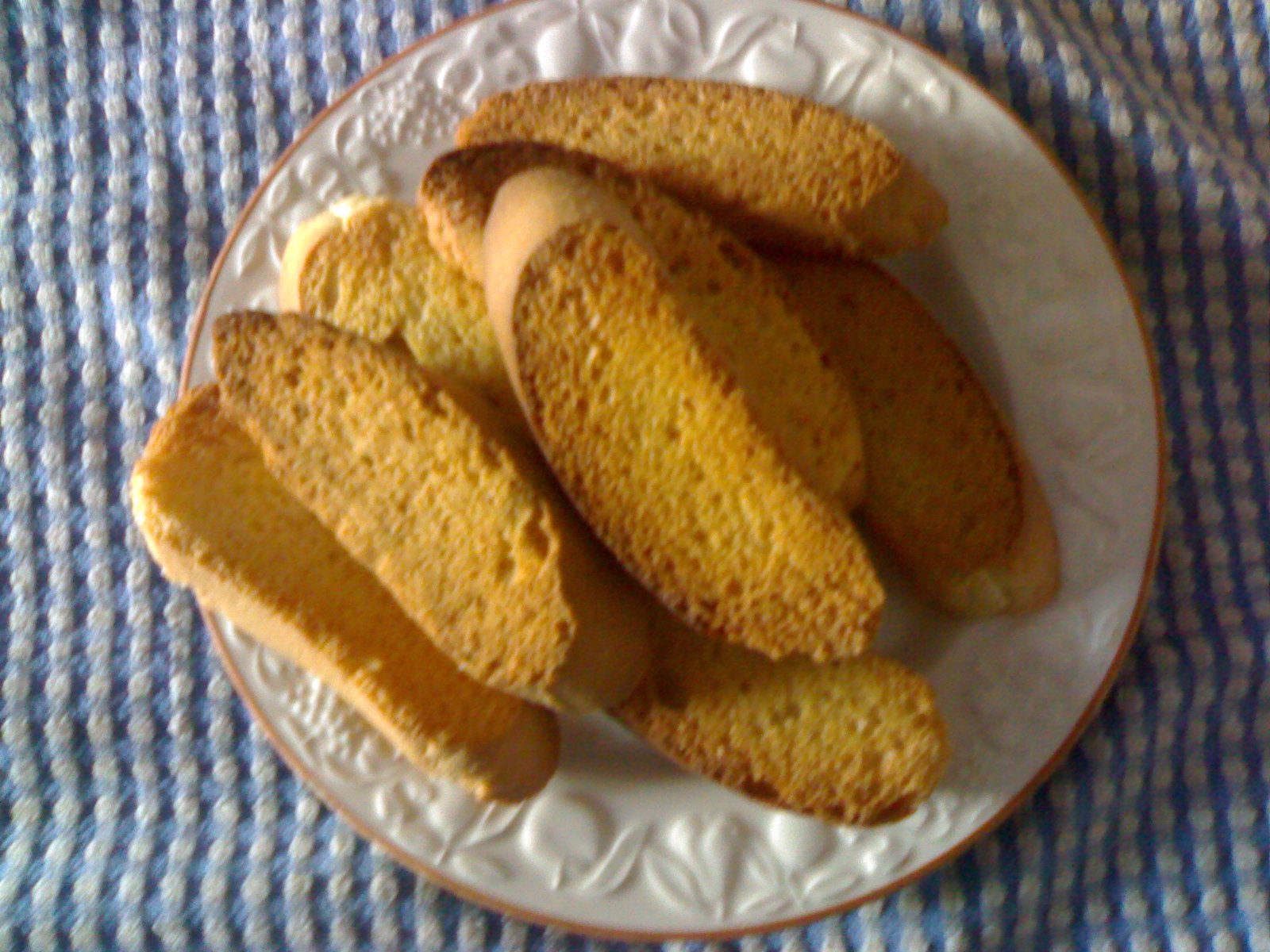
Five of the family in one row · Photo: Gobonobo, CC BY-SA 4.0, via Wikimedia Commons
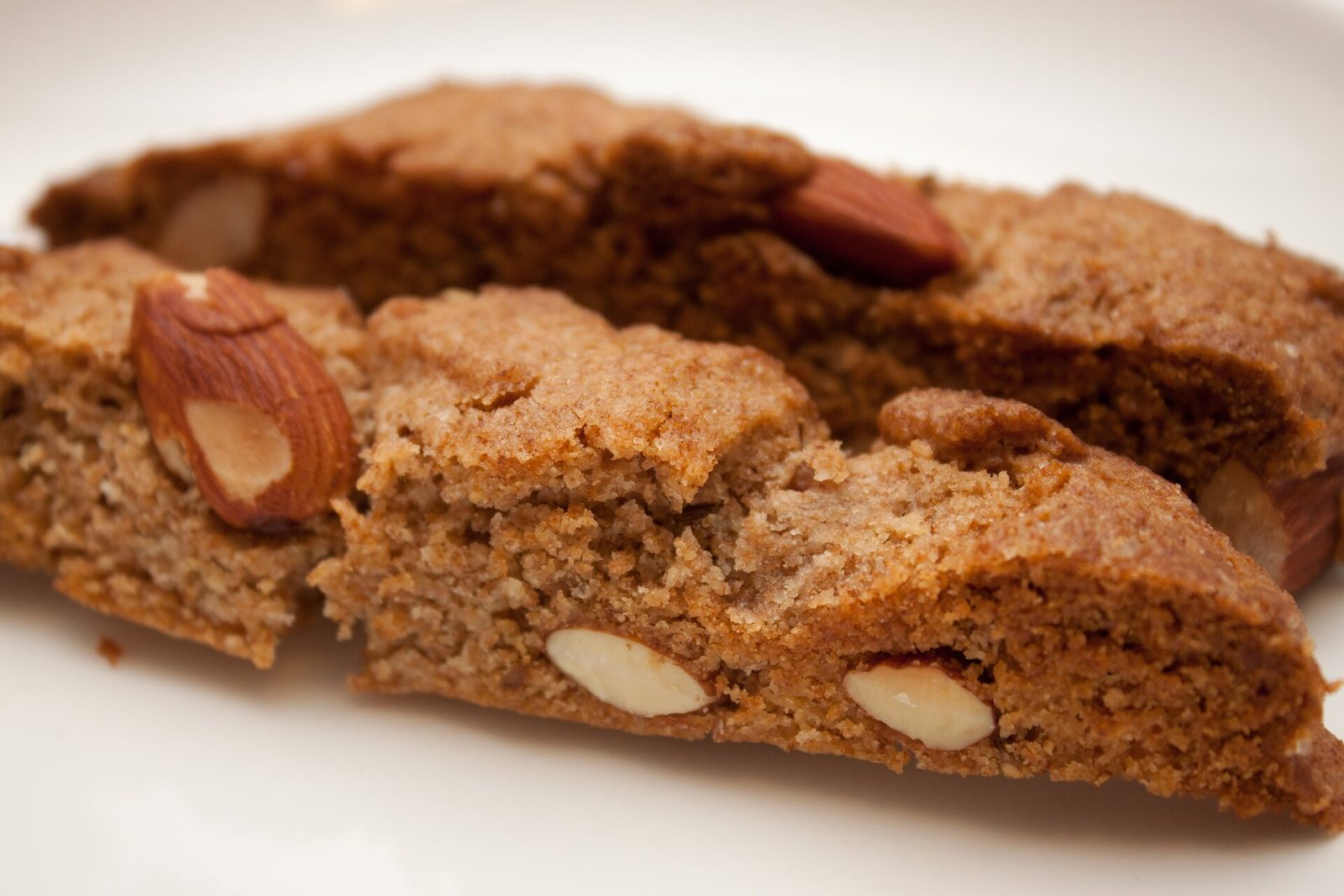
MandorlaClassic Almond BiscottiThe American style at the corpus medians — a little butter, a little lift, and a doneness rule you weigh rather than time.
ToscanaCantucci the Prato WayFive ingredients, no butter, no leavening — the plain original from before the category had lawyers.
Chosen from what the counters actually stock. across the verified bakeries in the Register, chocolate appears 69 times, almond 67, lemon 50, anise 52. Those four are what the American counter keeps. The two Tuscan styles below it does not.
Nocciola e aniceTozzetti with HazelnutsThe Lazio cousin of the cantuccio — hazelnuts from the Monti Cimini instead of almonds, a breath of anise, and olive oil where Tuscany reaches for nothing at all.Facile · Aleatico, vino rossoPhoto: Albarubescens, CC BY-SA 4.0, via Wikimedia Commons
AniceAnise BiscottiFifty-two of the 175 bakeries in our Register still list anise. It was on American counters long before chocolate chip was, and it is the flavour the old Italian-American shops kept when they dropped the others.Facile · Caffè, anisettePhoto: J Doll, CC BY 3.0, via Wikimedia Commons
CioccolatoDouble Chocolate BiscottiChocolate is the most-listed biscotti flavour in America: 69 of our 175 verified bakeries carry one, more than any other. Cocoa in the flour, chocolate through the crumb.Medio · Caffelatte, vin bruléPhoto: Nnikkhoui, CC BY-SA 4.0, via Wikimedia Commons
NataleCranberry-Pistachio BiscottiRed and green in one slice — the biscotto December invented. Pistachios appear in 29 of our verified bakeries, cranberries in 23, and nearly always together.Facile · Vin santo, prosecco
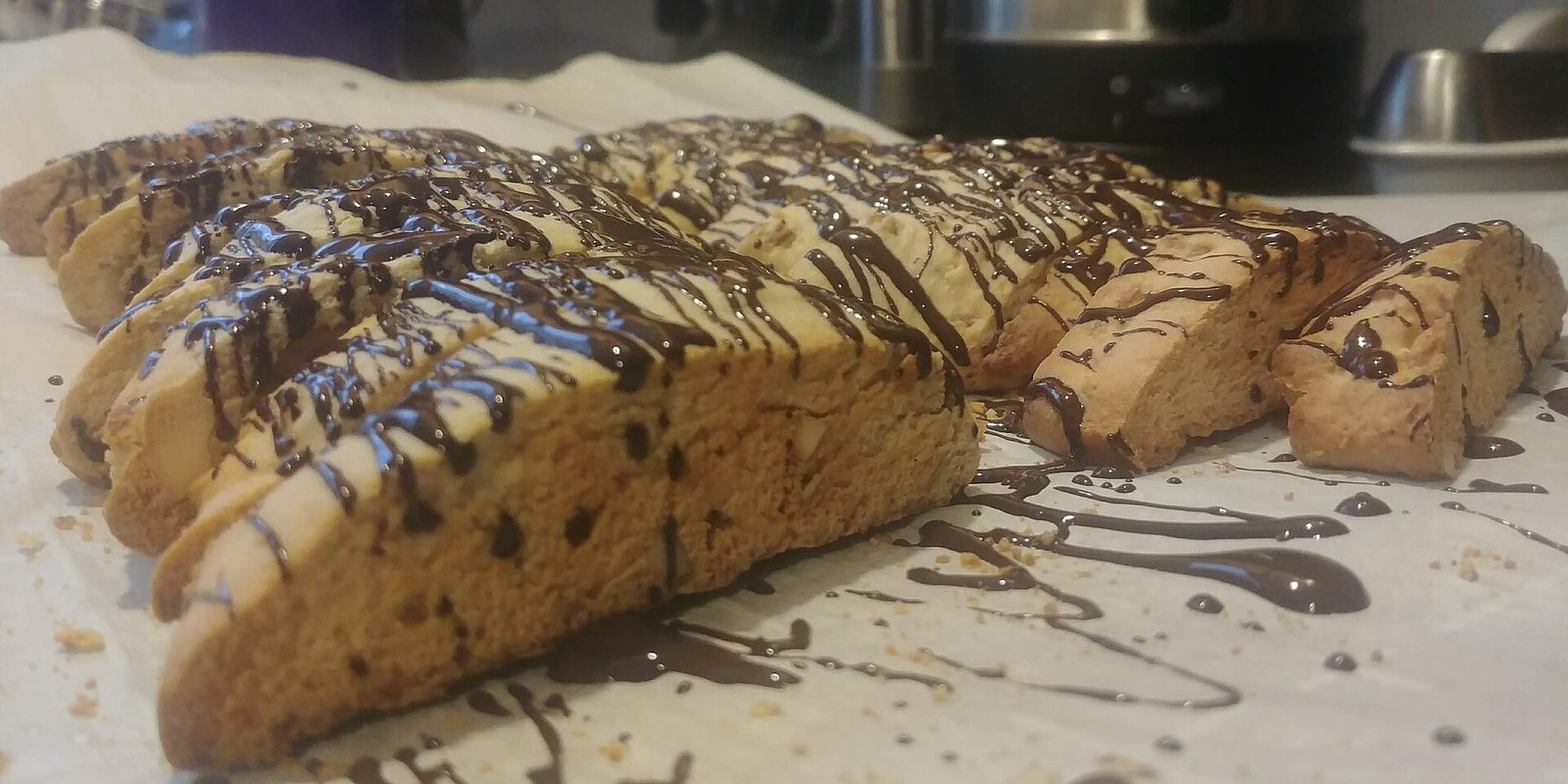
LimoneLemon Biscotti, GlazedFifty of our 175 verified bakeries list a lemon biscotto. Zest in the dough, juice in the glaze, and no flavouring bottle anywhere near it.Facile · Tè, moscato
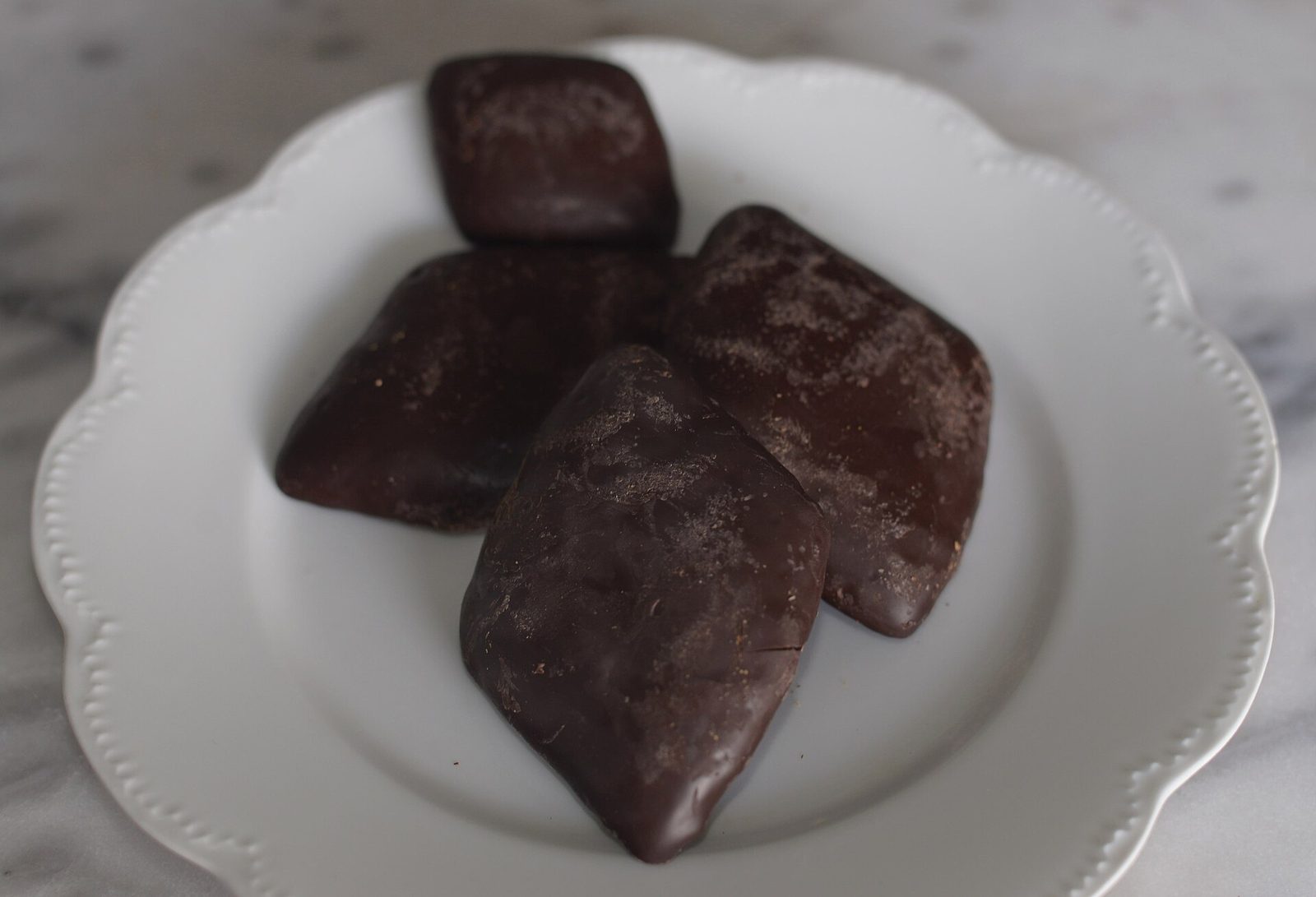
Natale napoletanoNeapolitan Mostaccioli CookiesThe chocolate-glazed diamond of the Neapolitan Christmas — the cookie called mostaccioli, no relation to the baked pasta that borrowed the name. Spice, orange, cocoa, and a shell of dark chocolate.Medio · Marsala, vin bruléPhoto: Ruthven, CC0, via Wikimedia Commons
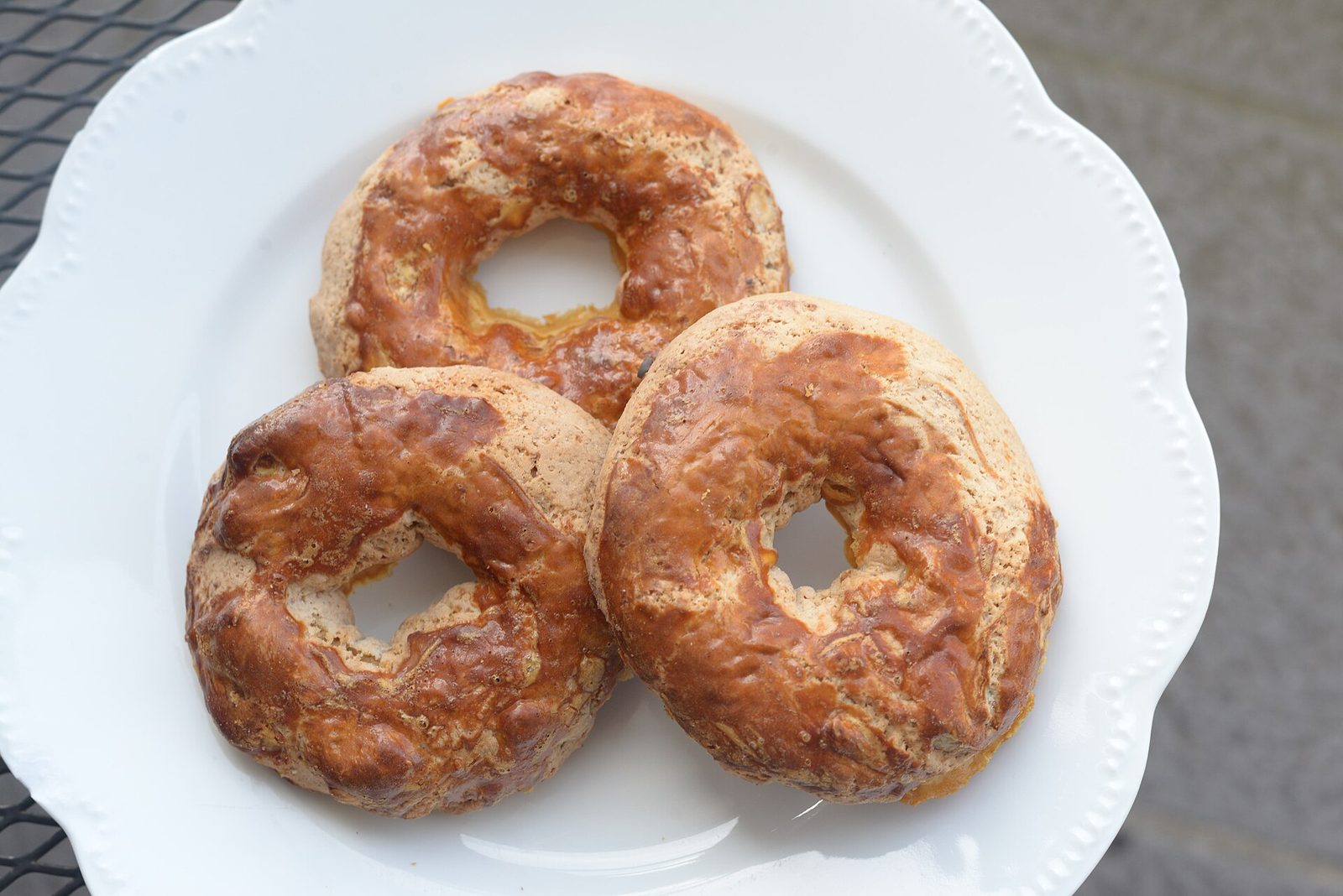
Natale napoletanoRoccocòThe Neapolitan Christmas ring, hard enough that tradition assigns it a softening liquid by rank — vermouth, marsala, spumante. Whole almonds in a spiced ring, glossed with yolk.Medio · Vermouth, marsalaPhoto: Ruthven, CC0, via Wikimedia Commons
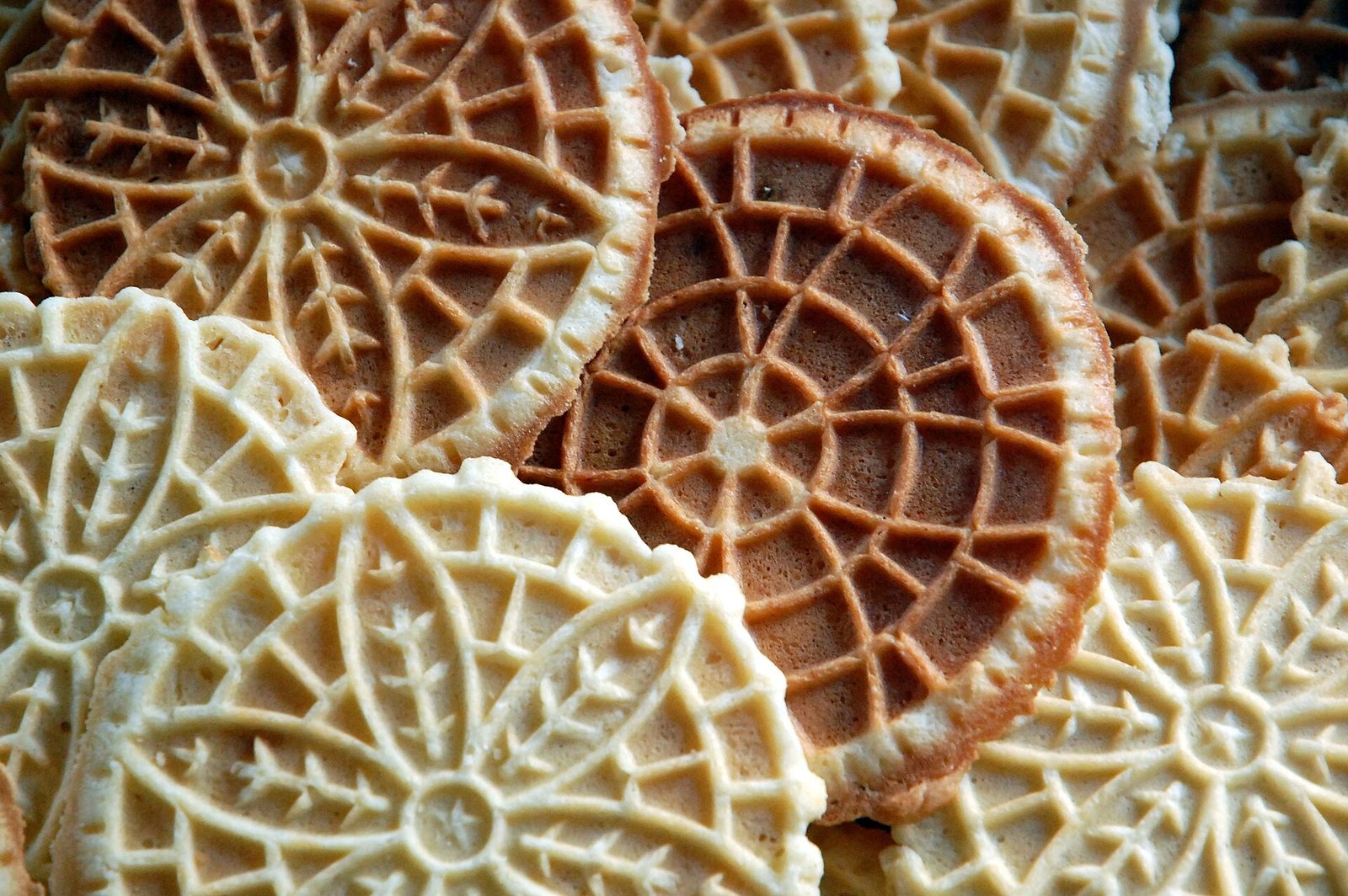
Anice · ferroPizzelle (Ferratelle)The Abruzzese waffle-wafer pressed in a patterned iron — and the name changes every few valleys, including in Italy, where Abruzzo’s own register says pizzelle and Molise’s says ferratelle.Facile · Caffè, vino cottoPhoto: Steve Snodgrass, CC BY 2.0, via Wikimedia Commons
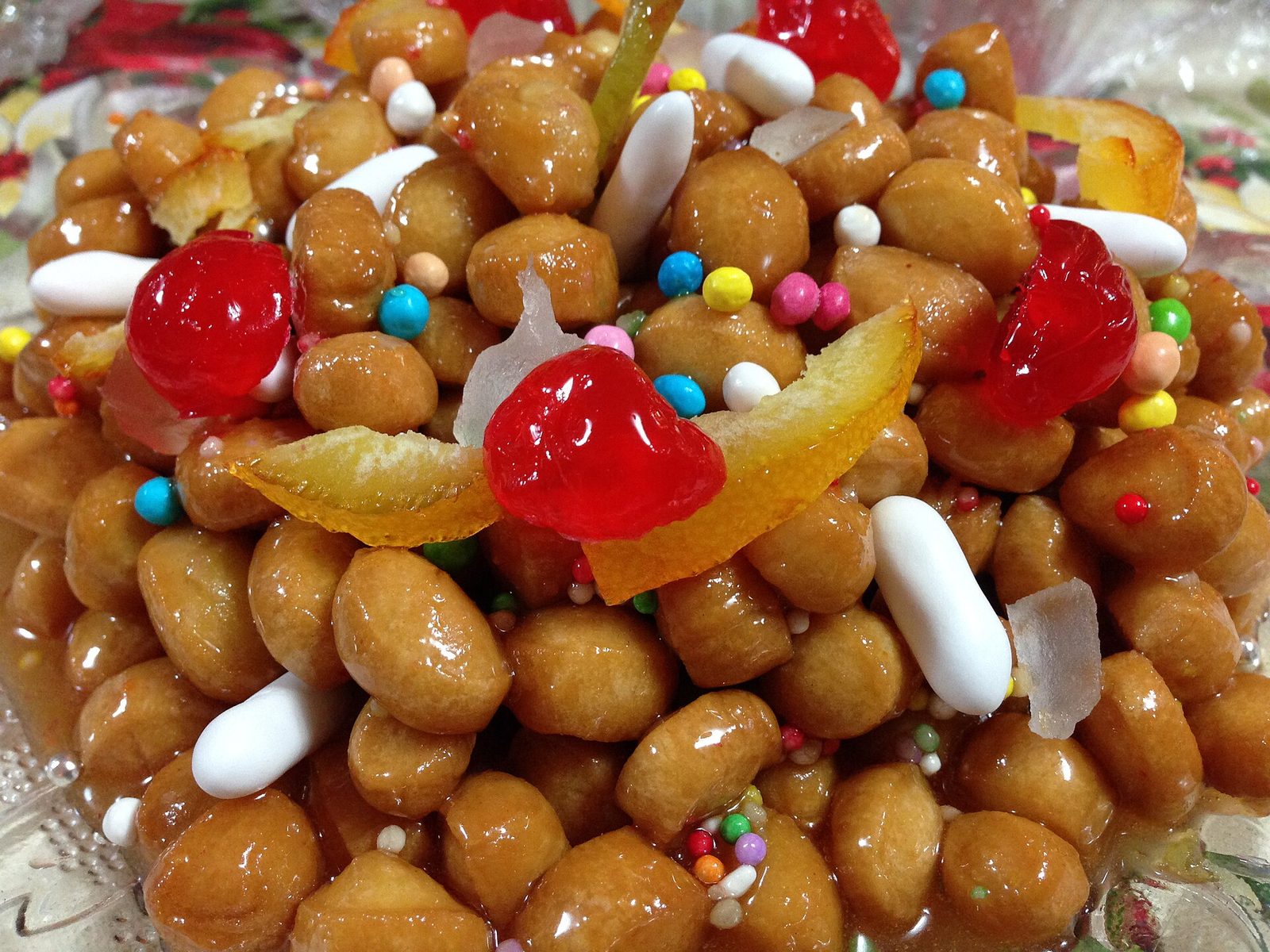
Miele · NataleStruffoliNaples’ honey-lacquered mountain of fried dough pearls — the centrepiece the Christmas table is built around. Not a biscotto at all, and invited anyway, because December refuses the taxonomy.Medio · Spumante — accanto, non dentroPhoto: Enzo Rippa, CC BY-SA 4.0, via Wikimedia Commons
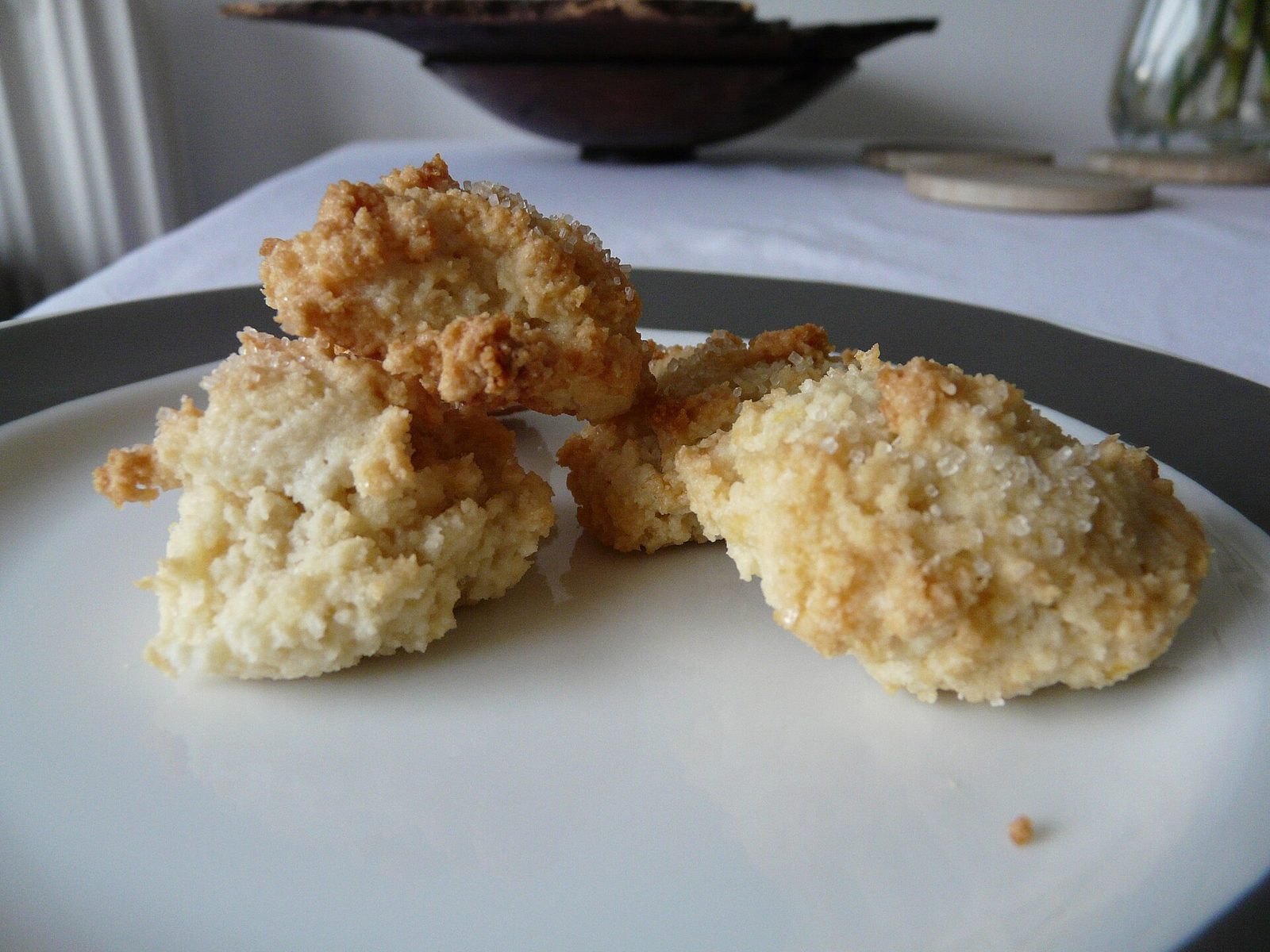
Mandorla amaraSoft AmarettiThe cracked-sugar almond drop — crisp shell, marzipan heart. Three pantry ingredients and an hour’s chill, in the lineage of Mombaruzzo’s soft amaretto.Facile · Moscato, caffèPhoto: Tristan Ferne, CC BY 2.0, via Wikimedia Commons
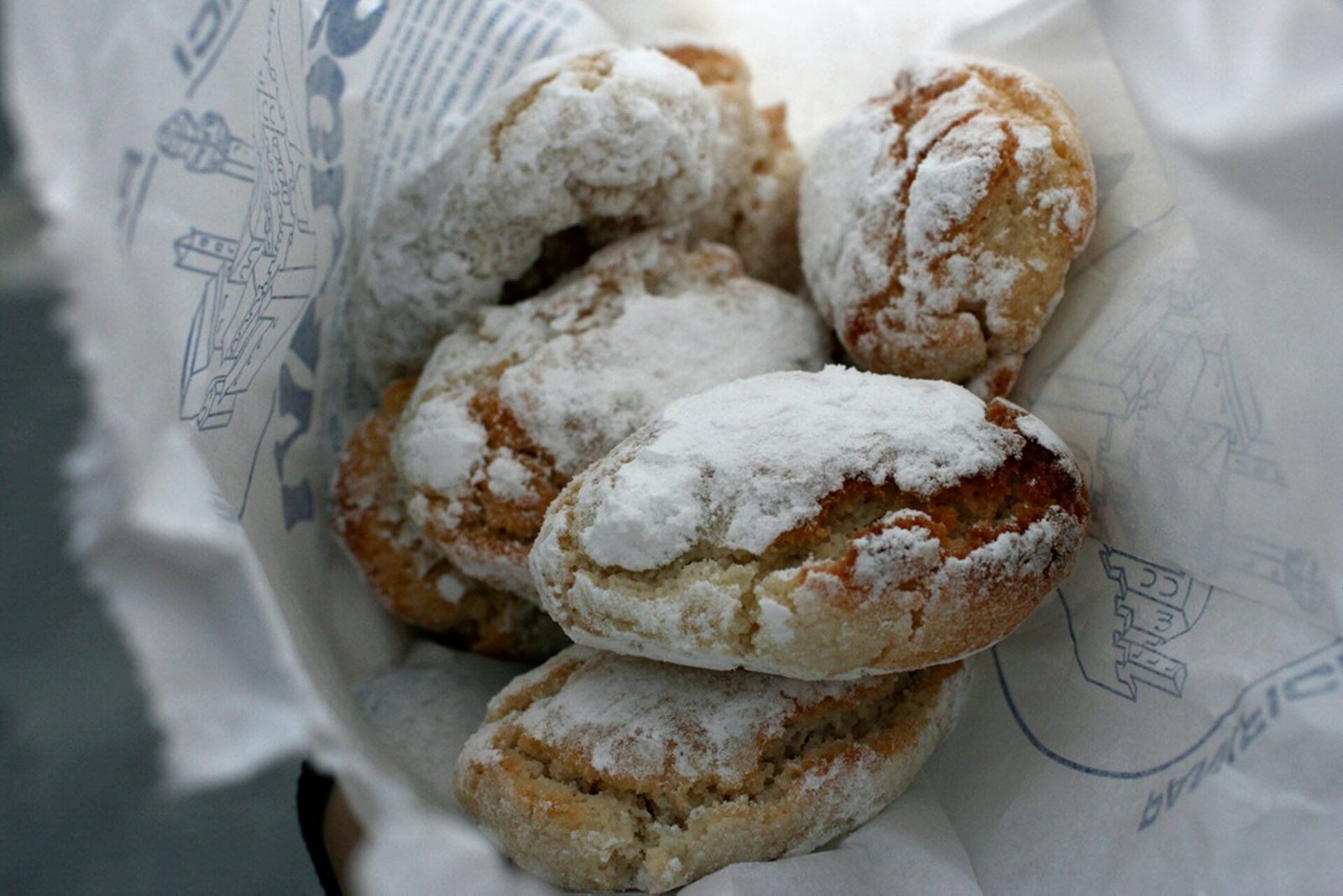
Mandorla · SienaRicciarelli di SienaSiena’s soft almond lozenge under a cracked snow of sugar — an IGP of its own since 2010, and the most beloved thing on this site that is not a biscotto. The dough’s secret is patience: a full day’s rest.Medio · Vin santo, moscadelloPhoto: Shaw, CC BY-SA 2.0, via Wikimedia Commons
Zenzero · dicembreGingerbread BiscottiThe December crossover — gingerbread’s spice rack folded into the twice-baked method. An American invention with no Italian passport, documented here because December bakes it anyway.Facile · Caffè, cioccolata calda
Vino · aniceCiambelline al VinoThe little drunk ones — ’mbriachelle, in the Castelli Romani — measured by the glass, not the scale: one of wine, one of oil, one of sugar. The biscuit of the fraschette, made to be drowned in the same wine that made it.Facile · Vino rosso — lo stesso della ricetta
FinocchioBiscotti del LagaccioGenoa’s fennel rusk — a leavened dough, risen like bread, sliced and toasted until it rings. The oldest working idea in the whole family, and nothing else on this site tastes like it.Impegnativo · Caffelatte, passitoPhoto: Andre86, public domain, via Wikimedia Commons
Il sigillo «Tested»
Every page here carries the label la ricetta documentata: a working formula in baker’s percentages, grounded in the published record and the regional sources cited on each page. The Tested 3× seal is reserved for recipes baked three times in our own oven, with the bake notes published. When a recipe earns the seal, the page will say so.
What the corpus taught us
Across forty-five published recipes — Tuscan sources in Italian, American test kitchens, the Italian-American cookbook canon, and today’s ranking blogs — egg is the only ingredient everyone agrees on, at roughly 42% of the flour’s weight. Fat splits the world in two: eighteen recipes use none at all, twenty-seven cluster between 20 and 36 percent. There is no middle ground, and no “traditional” consensus — only two honest camps, and this site documents both.
The bimodal fat finding, drawn from the 45-recipe corpus · the counting rule is in the method